Two wheelsMarbella
Road bike hire and the climb to Ronda
Oct–May
The road from San Pedro to Ronda is the reason to hire a road bike on this coast: around fifty kilometres of climbing to roughly a thousand metres, then all of it back down. What to ask the shop for, when the season actually is, and why the descent needs more thought than the ascent.
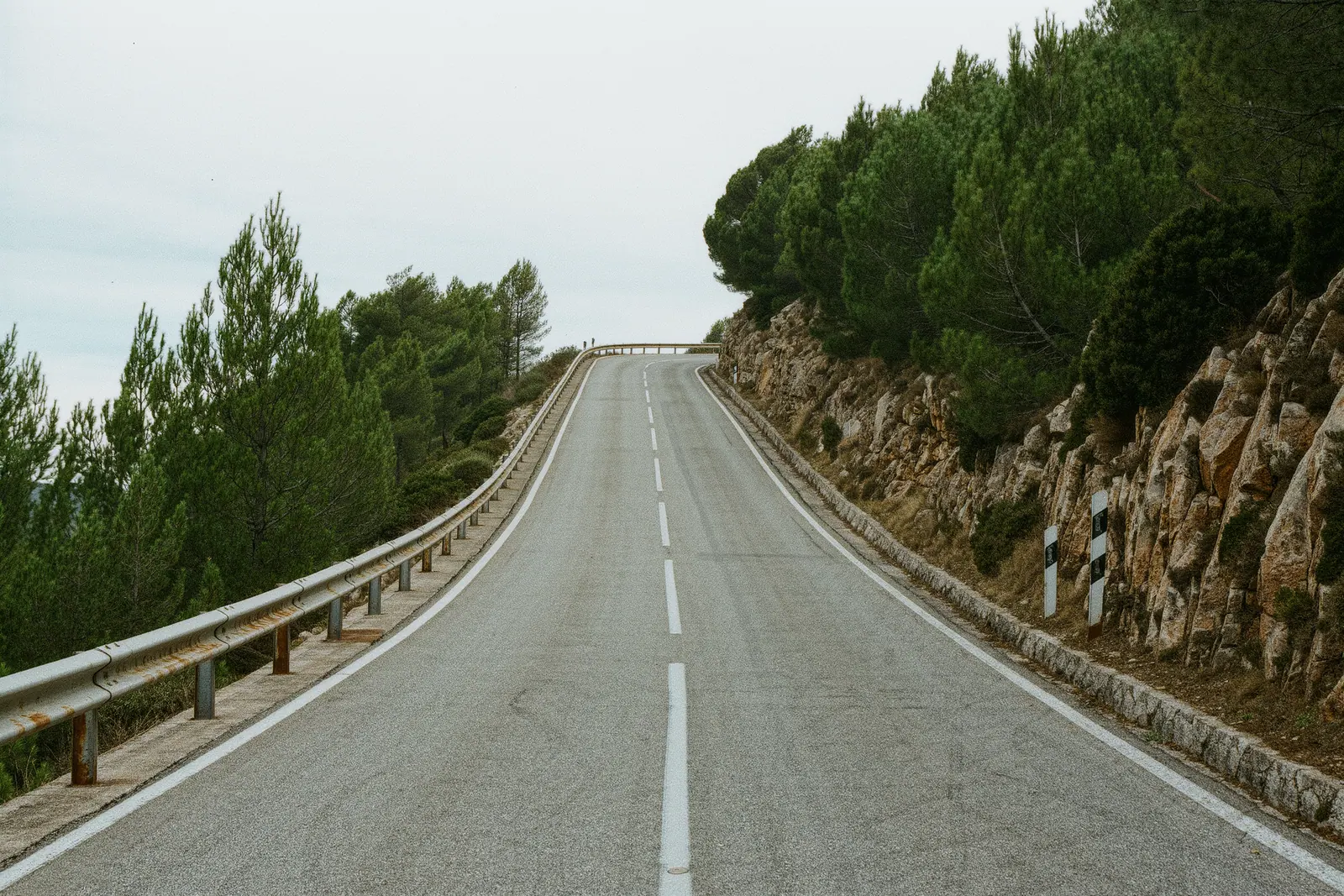
Most people who hire a bike in Marbella hire it for the seafront. The seafront is flat, crowded and about as interesting as a treadmill. The reason to hire an actual road bike on this coast is fifteen kilometres west of the town, where the A-397 leaves San Pedro de Alcántara and starts climbing towards Ronda.
It is around fifty kilometres of road, gaining roughly a thousand metres, up through the Serranía with the coast dropping away behind you. It is the ride this place is known for among people who ride, and it is nothing like the promenade.
The climbs worth hiring a bike for
| Route | Rough distance one way | Character | Best for |
|---|---|---|---|
| San Pedro to Ronda, A-397 | About 50 km | Long, steady, exposed, spectacular | The reason you came |
| Benahavís from San Pedro | Under 10 km | Short climb up a gorge, quiet | A first morning to test the legs |
| The Istán road and the reservoir | Around 15 km | Rolling, green, low traffic | The best short ride from town |
| Ojén, A-355 | Around 10 km | Steady valley climb from the coast | Easy access, good surface |
| Ojén up towards Juanar | Add around 10 km | Pine forest, steeper, dead end | A hard morning with a fast return |
| Monda and the inland loop | 40 km plus | Rolling farmland behind the sierra | A full day away from the coast |
The Istán road is the one locals ride most and visitors ride least. It climbs gently away from behind San Pedro and Nueva Andalucía alongside the reservoir, carries very little traffic, and gives you two hours of proper riding without committing to the pass.
What to ask the shop for
Rental listings sell frames. Frames are not the variable.
Gearing. Ask for a compact chainset and the widest cassette the shop holds. Nothing on the Ronda road is savage, but you are pedalling uphill for two to three hours, and the smallest gear determines whether that is sustainable or survivable. It is a free request at booking and an impossible one on the day.
Fit. Send saddle height, saddle setback and bar reach in millimetres when you reserve. Any shop on this coast that rents to cyclists will set the bike from those numbers before you arrive. A bike set up by eye at the counter costs you the last twenty kilometres.
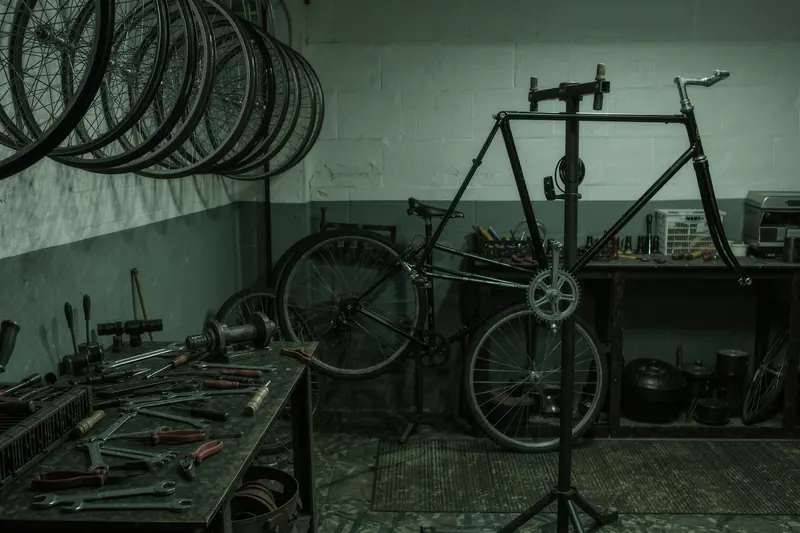
Tyres and pads. Look at both. Rental bikes here accumulate a lot of kilometres in the spring, and a descent of fifty kilometres puts more demand on tyres and brakes than any climb does.
What is included. Pedals in your system, two bottle cages, a saddle bag with tube and levers, and a computer if you want one. Some of those are separate line items. Bring your own shoes and your own helmet if you can.
The season, which is not the tourist season
- October and November. Warm, stable, quiet roads and the light low over the sierra. The best riding of the year.
- December and January. The wettest months, and cold at altitude. A pass at a thousand metres in January is a different proposition from the seafront in shirtsleeves, and descending wet in eight degrees is genuinely cold.
- February to May. The peak. Training groups and camps arrive, the weather is reliable, and the good bikes in popular sizes go early. This is when to book weeks ahead rather than days.
- June to September. Ride at first light or not at all. On a terral day the temperature inland climbs sharply, and there is no shade and almost no water on the pass.
Because the pressure on hire fleets peaks in spring rather than in summer, the booking pattern here is the inverse of everything else on this coast. In August you can walk into a shop and take whatever you like. In March you should have asked in January.
The descent is the ride
Fifty kilometres of descending back to San Pedro sounds like a reward. It is the part that needs planning.
You will be cold. Even in April, an hour of descending from a thousand metres at speed after a sweaty climb is chilling, and arm warmers and a packable gilet in the back pocket are not optional. You will also be sharing the road with coaches and, at weekends, with motorbikes taking the bends fast in both directions.
Ride it slower than the surface invites. Gravel washes onto the outside of bends after rain, the corners tighten unpredictably, and the consequences on a road with a drop on one side are not the same as on the promenade.
Many people avoid the descent altogether and take a bus back down from Ronda, or arrange a lift. That is not cheating; it turns a hard day into a good one, and it is worth asking the hire shop whether they will meet you.
Getting out of town in the first place
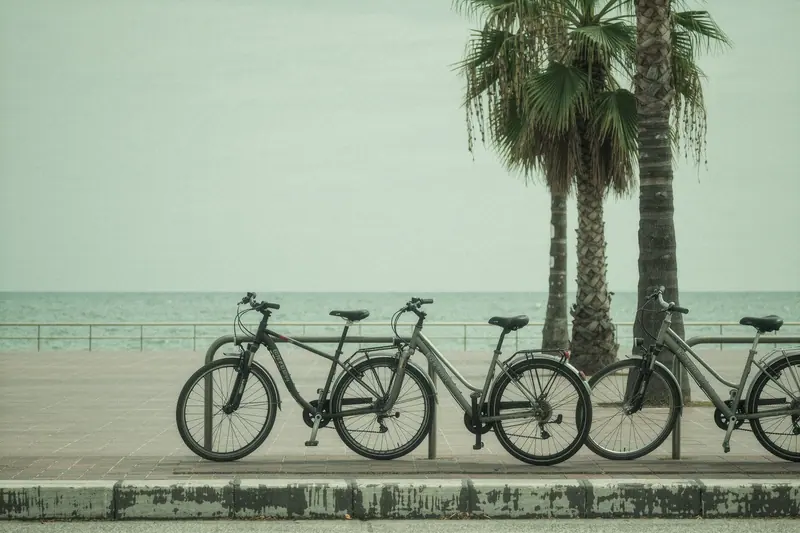
The coastal corridor between Marbella and San Pedro is the least pleasant cycling here — busy roads, junctions and a promenade you should not be riding fast on. Two options. Ride the seafront early and slowly to San Pedro before the traffic wakes up, which is covered in bike hire on the Paseo Marítimo. Or put the bike in a car for the fifteen minutes and start at the bottom of the climb, which is what most people who ride here regularly do.
If you are here for a season rather than a week, hire monthly rather than daily. The rates drop steeply, the shop will set the bike up properly once instead of five times, and you will ride far more — which is exactly the logic that makes a long winter let work for cyclists as well as for golfers. Anyone who wants the mountains without the training load should look at an assisted bike instead, which gets you up the same roads with a motor and no shame attached.
What to check before you book
- Send saddle height, setback and bar reach in millimetres when you book. A bike fitted from a guess ruins the second half of a long day.
- Ask for the actual chainring and cassette on the bike you are being given, not the specification of the model in the listing.
- Look at the tyres and the brake pads before you sign. Both matter far more on a fifty-kilometre descent than on the climb.
- Ask what the recovery arrangement is for a mechanical in the mountains, what it costs, and put the number in your phone.
- Confirm the deposit is a card authorisation and decline any request to hold a passport.
- Carry more water than a coastal ride needs. Refill points on the pass are few and far between.
- Check the helmet rules that apply on interurban roads here before you ride. They are set nationally and should be verified rather than assumed.
Questions people actually ask
- How hard is the ride from San Pedro to Ronda?
It is around fifty kilometres of almost continuous climbing to a high point near a thousand metres, on a good road surface with a steady rather than severe gradient. It is a long day rather than a brutal one, and the difficulty is the sustained effort plus the exposure — there is very little shade and long gaps between anywhere to stop. Most people ride it out and get a lift or the bus back.
- What gearing should I ask for?
A compact chainset and the widest cassette the shop has. Nothing on this road is desperately steep, but the climbing goes on for hours, and the difference between spinning and grinding over that duration is the whole ride. It costs nothing to request when you book and it cannot be changed on the morning.
- When is the cycling season here?
October to May, with the best conditions in the shoulders either side of winter. December and January are the wettest, and the tops of the passes can be genuinely cold. From late June to early September, riding in the mountains after mid-morning is unpleasant and occasionally dangerous, so summer riding here starts at first light.
- Is the traffic on the Ronda road a problem?
It varies by day and hour more than most people expect. Weekday mornings are quiet and pleasant. Weekends bring motorbikes riding the bends hard, and coaches use the road throughout. Start early, take the whole lane on blind bends where it is safer to be seen, and treat the descent as the part where traffic matters most.