PlacesMarbella
Long winter lets in Marbella and who takes them
Oct–Apr
From October the coast switches markets. The same apartments and villas that sold by the week are offered for the season at a fraction of the rate, to golfers, remote workers, people buying property and people escaping a northern winter. What the contract changes, why heating decides everything, and the month it is all agreed in.
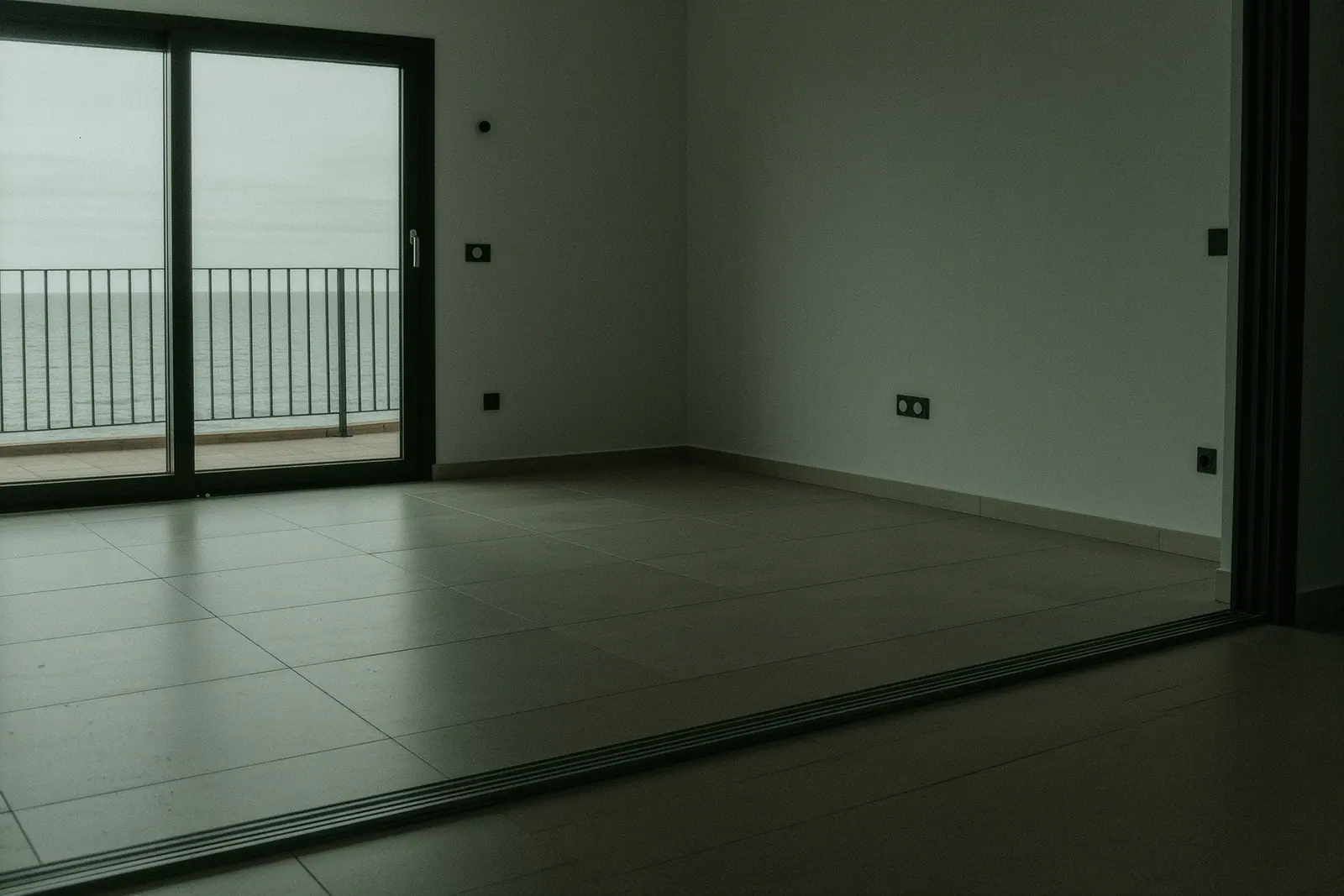
At the end of October something visible happens on this coast. The changeover traffic stops, half the loungers disappear off the terraces, and the properties that were being sold by the week start being offered by the month — for a figure that, per night, looks like a mistake.
It is not a mistake. It is a completely different market with different tenants, a different contract and a different set of things that go wrong.
Who takes them
Five groups, more or less, and they book differently from each other.
- Golfers. October to November and February to May are the best playing months on this coast, and a winter let plus green fees is cheaper than the same golf in a hotel. This group tends to want Nueva Andalucía or somewhere inland with a short drive to several courses, and the equipment side is worth planning early — see golf club hire for the courses on this coast.
- Northern European snowbirds. Typically three to six months, often the same property every year, usually agreed directly with the owner and never advertised. This is the reason so much of the good stock never reaches a listing site.
- Remote workers. Shorter, one to three months, and the only group that genuinely cares about the broadband speed. Ask for a screenshot of a test at the property; on some of the older urbanisations the connection is not what the listing implies.
- People between houses. Bought locally, waiting on completion or on a renovation. Flexible on quality, inflexible on dates.
- People recovering. Quiet, warm, flat, near a town rather than up a hill.
What the contract changes
A holiday let and a winter let are not the same instrument. In Spain a tenancy for a defined season sits in a different category from a tenancy for a permanent home, and both sit outside the tourist-accommodation regime that a July booking falls under.
That matters in three practical ways. The deposit convention is set nationally rather than by the owner, and the rules on how it is held and returned differ from a holiday deposit — a useful contrast with the deposit on a short high-end let. Utilities are normally transferred to your account or metered and reconciled, rather than being included. And notice, renewal and early termination are governed by the contract and by law, not by an owner’s goodwill.
The categories and the thresholds have been revised more than once in recent years. Do not take a translated template at face value, and for a six-month commitment take Spanish legal advice on the document.
Heating is the whole question
Everything else on a winter let is negotiable. This is not.
Buildings here are designed to exclude heat: tiled floors, minimal insulation, large sliding glazed doors and often no central heating at all. A clear January day on the seafront is pleasant. The same evening, in a north-facing ground-floor apartment with one air-conditioning unit in the living room, is genuinely cold, and the electricity bill for fixing that with plug-in heaters is worse than the cold.
| Heating setup | January comfort | Running cost | Verdict |
|---|---|---|---|
| Reversible air con in every room | Good | High but predictable | The realistic standard |
| Reversible air con, living room only | Poor in bedrooms | Moderate | Ask before you commit |
| Gas radiators or a gas boiler | Very good | Moderate | Rare and worth paying for |
| Underfloor heating | Very good | High | Villas and newer builds |
| Wood burner plus air con | Good in one room | Low to moderate | Charming, insufficient alone |
| Portable electric heaters | Poor | Very high | Treat as no heating |
Two related questions. Ask whether the property has ever had a damp problem, and look at the ceiling corners of any north-facing room — condensation and mould are the standard winter complaint on this coast and they are the hardest thing to fix once you are in. And ask whether the pool is drained, left cold or heatable, because “private pool” in a January listing photograph usually means an attractive rectangle of cold water.
The calendar for finding one
- June to August. Owners decide whether they are doing another winter with last year’s tenant. Most say yes. This is where the best properties go and you will never see it happen.
- September. The stock that has not been renewed reaches the agents. This is the month to be looking, and the month to be able to say yes quickly.
- October. Still workable, with visibly less choice, and short-let bookings competing for the same properties — the tightening described in minimum stays through summer runs in reverse here.
- November onwards. You are taking what is left. Prices are soft and the heating is usually the reason the property is still available.
Where to actually be
Marbella town and San Pedro de Alcántara both function normally all winter — shops, markets, a doctor, buses, life on the street. Puerto Banús is much quieter and a fair number of its restaurants close for weeks at a time. The golf valley is comfortable and green and needs a car for everything. Up in Sierra Blanca it is beautiful, colder, and a long way from a pint of milk in the rain.
If it is a first winter here, take somewhere flat and walkable within a town, with heating in the bedrooms and a south or west aspect, and spend the money saved on the villa on being able to leave the house without driving. The people who come back every year are almost all in apartments, and it is not because they could not afford otherwise — a contrast worth reading against the apartment or villa comparison.
What to check before you book
- Ask what the heating actually is: reversible air conditioning, gas, underfloor or nothing. Then ask what a January month costs to run.
- Get the contract type named. A seasonal let and a residential tenancy are different instruments under Spanish law with different consequences.
- Ask whether community fees, water and rubbish charges sit with the owner or with you. On winter lets it varies property by property.
- Check the orientation and whether the ground floor is north-facing. Damp is the standard complaint of a Costa del Sol winter.
- Establish whether the pool is heated or drained over winter, and what heating it would cost per day if it is available.
- Confirm what happens if you leave early, and whether any part of the rent is recoverable.
- For anything long or expensive, take Spanish legal advice on the contract before signing. Do not rely on a translated template.
Questions people actually ask
- How much cheaper is a winter let than a summer week?
Dramatically, when measured per night. A property that lets by the week in August will often take a whole month in January for less than that single week, because the alternative is standing empty. The saving is real but it is not free money: you are taking on utilities, a longer commitment and a house built for shade rather than for cold.
- What months count as the winter season here?
The market runs roughly October to April, and the classic contract is five or six months from the start of November. Some owners will take three; fewer will take two, because a two-month tenant still leaves them with a hole in the season. Availability drops sharply once the summer bookings end and the owners have chosen their tenants.
- Are these places actually warm?
Not inherently. Houses on this coast are designed to keep sun out, with tile floors, thin walls and large glazed openings, and a January evening inland from the sea is colder than most people expect. Properties with proper reversible air conditioning in every room, or gas, are comfortable. Properties with one unit in the living room are not.
- Who actually rents for the winter in Marbella?
Golfers taking advantage of the best playing months, remote workers who want daylight, retired people from northern Europe on three to six month stays, people who have bought locally and are waiting on a renovation, and occasionally people recovering from illness or surgery. It is a settled, repeat market, which is why owners fill it through their own contacts before advertising.