On the waterMarbella
Tender and rigid inflatable hire for a group
May–Oct
For a group of six to ten, a rigid inflatable is the most water per euro available on this coast. It is also open, loud, wet in a chop and has nowhere to sit out of the sun. What the honest trade-offs are, where the licence-free thresholds bite, and how the per-head cost stacks up against a yacht.
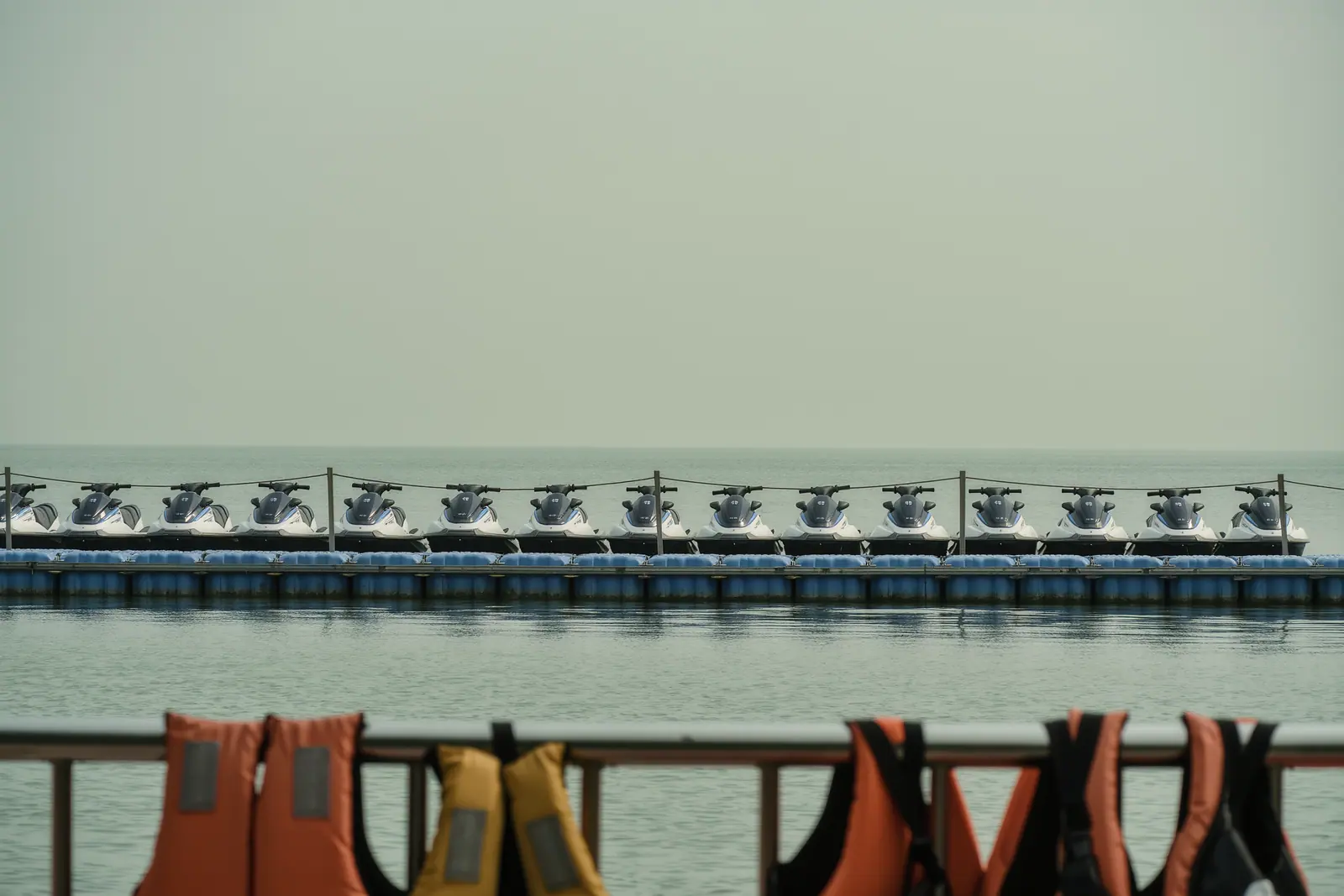
For a group of eight who want to spend a morning on the water off Marbella, the options are a day charter at several hundred euros an hour once fuel is counted, four jet skis going round in circles, or a rigid inflatable. The third is the one nobody prices and it is usually the right answer.
It is also the one with the most honest disadvantages, so it is worth setting them out first.
What you are giving up
A rigid inflatable is an open boat. There is no cabin, generally no toilet, and often no shade beyond whatever canopy the operator has fitted. At speed it is loud enough to stop conversation, and in a chop the bow seats take a pounding that is entertaining for twenty minutes and tiring for two hours.
There is nowhere to get changed, nowhere to put a bag out of the spray, and no galley. Everything you want aboard, you bring, in a dry bag.
Against that, it is fast, it draws almost nothing so it can get close in where a yacht cannot, it is easy to swim off, and it costs a fraction of the alternative. For four hours in the morning that trade is overwhelmingly in its favour. For a full day in the first fortnight of August it is not.
Three ways to buy one
| Format | Who drives | Typical group | What it suits |
|---|---|---|---|
| Skippered RIB, half day | Professional | 6–10 | The default, and the best value here |
| Skippered RIB, sunset run | Professional | 6–8 | Same light as a yacht slot, a fraction of the cost |
| Self-drive small boat | You, within the thresholds | 4–6 | Independence, at low power and close to shore |
| Tender only, alongside a charter | Crew | Any | Getting ashore, not an outing in itself |
The self-drive row deserves care. Spain sets the licence-free thresholds nationally, based on engine power and boat length, and craft in that category also carry navigation limits: a stated distance from the coast, daylight hours only, and exclusions around ports and bathing zones. The figures change and they are not the operator’s to interpret. Verify them, and treat any listing that implies you can take a powerful boat out on a briefing alone as a warning sign — the same test applies as with jet ski hire along these beaches.
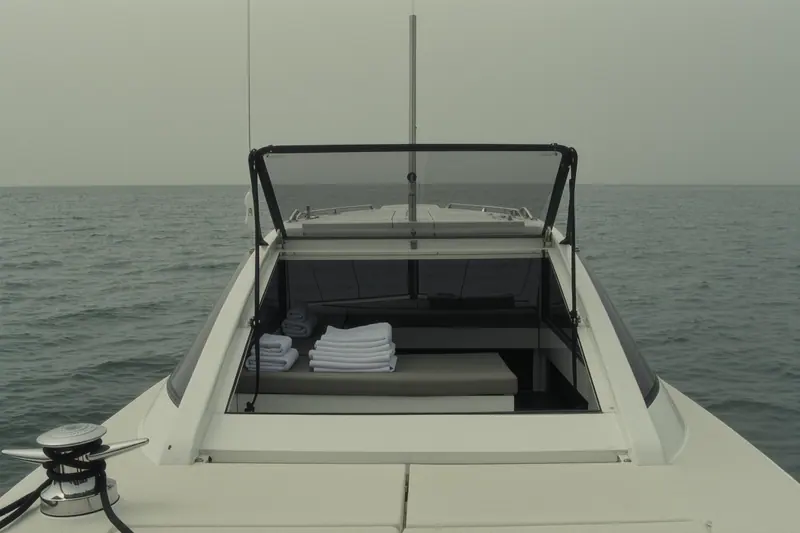
Where a RIB actually goes off Marbella
The shallow draught changes the map. A yacht anchors well off and sends a tender in; a rigid inflatable is the tender, so it can work close along the shore.
West of Puerto Banús the run past San Pedro and Guadalmina towards Estepona is open and generally the calmer side in an easterly. East, under the Golden Mile and past Marbella town towards Cabopino, is the better direction in a westerly and the dune coast at the far end is worth the distance.
Two constraints apply throughout. Bathing zones are buoyed through the summer and craft may only cross them through marked access channels at very low speed; some beaches have no channel at all. And the harbour entrances along this coast are working water, so approach speed and wash are regulated. Agree the plan with the driver at the start rather than negotiating it in front of a beach.
The money, per head
The base rate on a rigid inflatable for a half day is a small fraction of a motor yacht for the same period, and the fuel gap is larger still. A planing yacht consumes fuel at a rate that can add several hundred euros to a day; a rigid inflatable at cruising speed does not come close.
Split eight ways, a skippered half day usually lands somewhere between a substantial restaurant meal and a jet ski hour, and it buys four hours instead of sixty minutes. That comparison is the strongest argument on this page.
What it does not buy is the thing a yacht sells: space, shade and the ability to sit still comfortably for a whole day. If your group includes people who will want to lie down and read, the arithmetic stops mattering. The full picture on the yacht side is in a day charter out of Puerto Banús.
The deposit and the damage that happens
Deposits on this class of boat are usually a card hold in the hundreds to low thousands. The recurring damage is predictable: the propeller and drive from touching sand in shallow water near the beaches, the tubes from a hard berthing against a concrete pontoon, and the outboard from running in stirred-up sand.
Photograph the tubes, the transom, the prop and the console before you leave the pontoon. The general routine, and what a deposit does and does not cover, is set out in what a charter deposit covers on this coast.
When to go
Morning, and this matters more on an open boat than on a yacht. The sea off Marbella is flattest early and the afternoon breeze puts chop into exactly the water a rigid inflatable has to cross at speed. A half day starting as early as the operator will run is worth paying more for than a later one.
The evening run is the underrated booking. The same light that fills the sunset yacht slots is available from an open boat at a fraction of the cost, and with the sea usually easing at dusk it is a comfortable hour. How those evening slots are structured, and when they book out, is covered in sunset and half-day charter slots.
What to check before you book
- Confirm the certified passenger number for the boat. A rigid inflatable that seats eight comfortably may be certified for fewer.
- If you intend to drive it yourself, verify the current licence-free power and length thresholds with the operator and the maritime authority. Do not assume.
- Ask what navigation limits apply to the boat: distance from shore, daylight only, and which zones are excluded.
- Check whether there is any shade at all. On this coast, six hours on an open boat in August is not a small thing.
- Ask what the fuel arrangement is and roughly what a half day consumes at cruising speed.
- Establish who is liable for propeller and drive damage. Shallow sand near the beaches is the usual cause.
- Agree in advance where you can and cannot approach the shore. Swimming zones are buoyed and the access channels are narrow.
Questions people actually ask
- How many people fit on a hire RIB
The certificate decides, not the seating. Boats in this class commonly carry six to ten, and the number on the plate includes children. Eight adults on a boat certified for eight is legal and cramped, particularly once you add a cool box and bags. If comfort matters over the whole day, book for one or two fewer than the maximum.
- Can I drive it myself
Only within the licence-free thresholds Spain sets nationally, which turn on the engine power and the length of the boat, and which also restrict how far offshore and at what times you may go. Anything with a serious engine needs a recognised qualification, which is why most group RIB hire on this coast comes with a driver. Verify the current figures rather than relying on a listing.
- Is a RIB cheaper than a yacht charter
Substantially, and the gap widens once fuel is counted. A rigid inflatable burns a fraction of what a planing motor yacht does, and the base rate is lower to begin with. For six to ten people wanting a half day on the water, it is the cheapest per head of anything on this coast that is not a pedalo.
- What is the catch
Shade, shelter and facilities. A rigid inflatable is open, it is loud at speed, it is wet in a chop, there is usually nowhere to change and there is no toilet. That is fine for four hours in the morning and quite a lot less fine for eight hours in August. The boat is a transport device with seats, not a floating terrace.
- Can we land on a beach
Not inside a buoyed swimming zone, and not just anywhere. Bathing areas along the Marbella beaches are marked through the summer and craft reach the shore only through designated access channels, at very low speed. Some beaches have no access channel at all. Agree the plan with the driver rather than improvising it when somebody wants an ice cream.