On the roadMarbella
What happens when a premium hire car is damaged
All year
A kerbed rim on the marina approach and a shunt on the A-397 start the same process. What to do in the first hour, the standard accident statement both drivers sign, the notification window that can void your waiver, and the charges beyond the repair that catch people out weeks later.
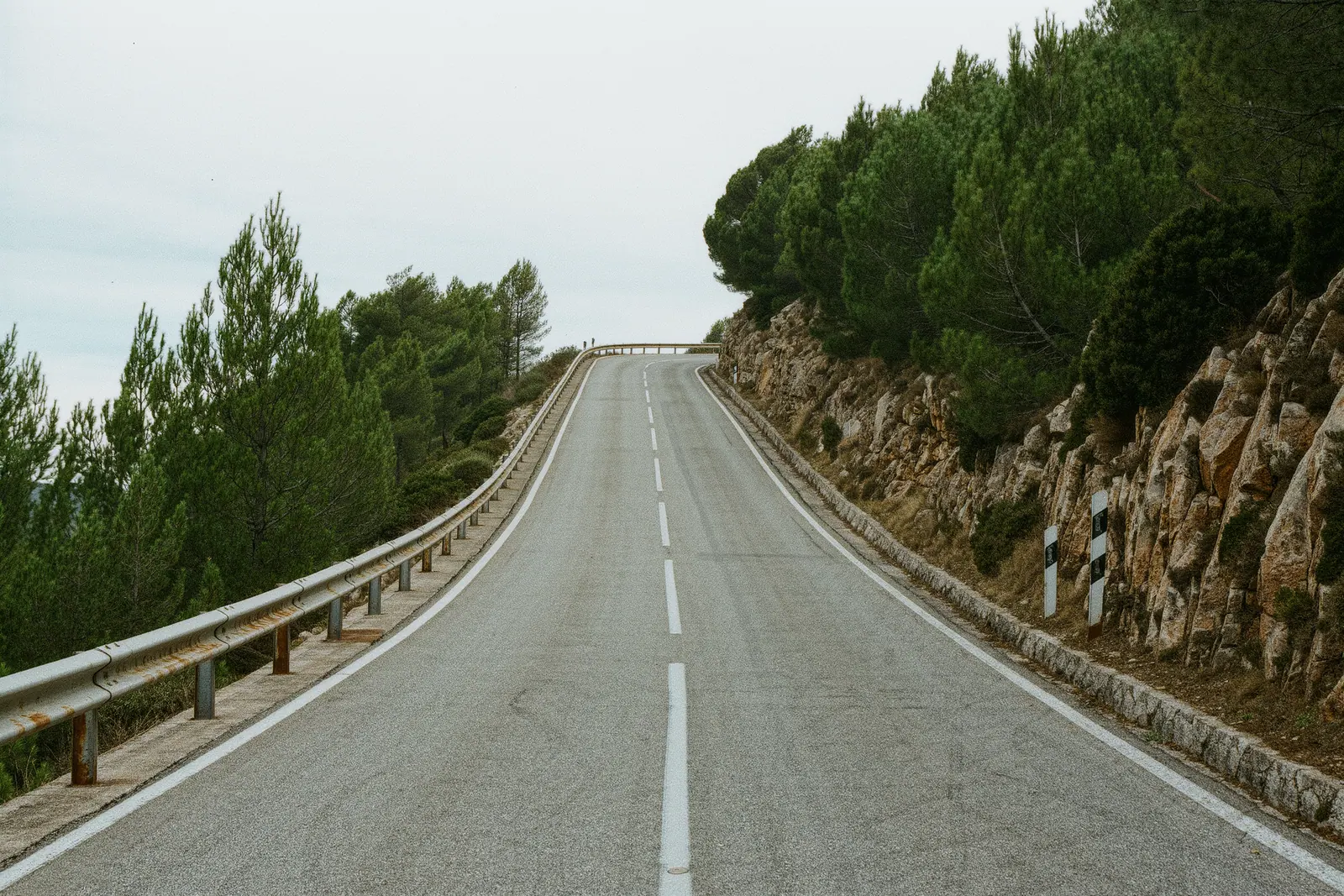
Two things damage premium hire cars in Marbella. The first is a rim against a kerb, in a marina bay or on the approach to a gated urbanisation, at walking pace. The second is a genuine collision, usually on the coast road in traffic or on the A-397 where somebody misjudged a bend that had gravel washed across it.
The first is far more common. Both start the same administrative process, and that process runs on a clock most people do not know about.
The first hour
- Make it safe. Warning triangles and a reflective vest are carried in Spanish vehicles and the rules on when to use them are set nationally. Know where they are in the car before you need them.
- Do not move anything, then photograph. Vehicles in position, from four angles, with something in frame that identifies where you are. Then the damage close up. Then the road surface, if gravel or a pothole is part of the story.
- Complete the standard accident statement. Spain uses the same friendly accident form as the rest of Europe, completed and signed by both drivers, and it is how the great majority of minor collisions are recorded. It does not assign blame. Do not leave a scene without one, or at minimum the other party’s name, licence number, vehicle registration and insurer.
- Call the police when it is warranted. Injuries, a dispute about the facts, a driver who will not cooperate, or suspected drink or drugs. On interurban roads such as the A-397 that means the Guardia Civil; within Marbella, San Pedro or Nueva Andalucía it is the local police. Ask how to obtain the report, because your operator will probably want it.
- Tell the rental operator the same day. This is the step people postpone and it is the one with legal consequences.
The notification window
Nearly every rental contract on this coast requires you to notify damage within a stated period, commonly twenty-four hours, and to have reported it to the police where the contract says so. Miss the window and the waiver you paid for can be treated as void, which converts a capped excess into an uncapped repair bill.
Read that clause before you drive off. It is short, it is easy to find, and it is the highest-consequence sentence in the document apart from the exclusions listed in what the small print excludes on a performance car.
What actually gets charged
The repair is only one line. On premium categories there are several others, and they are where a manageable claim becomes an unpleasant one.
| Charge | What it is | Typically covered by a standalone policy? |
|---|---|---|
| Repair or excess | The capped figure, or the full cost if the item is excluded | Excess yes; excluded items no |
| Immobilisation | A daily rate while the car cannot be hired out | Frequently not |
| Administration fee | Handling the claim and the paperwork | Sometimes |
| Recovery and transport | Getting the car back from where it stopped | Sometimes |
| Diminution of value | A charge reflecting the drop in the car’s worth | Rarely |
| Cleaning or specialist valeting | Interior damage, sand, spillage | No |
Immobilisation is the one to interrogate before you book. A common panel on an ordinary car is a two-day job. A carbon component on an exotic can wait weeks for a part, and a daily immobilisation rate running through those weeks can exceed the repair. Ask whether the clause exists, what the daily figure is, and whether it is capped.
The cash-flow problem
The operator charges you first. That is the sequence regardless of what insurance you hold, because the money is already authorised on your card from the moment described in what the deposit really is.
If you bought the operator’s own excess reduction, that is the end of it and you have paid a premium per day for exactly this convenience. If you bought a standalone policy at home, you are now out of pocket for a five-figure sum while you assemble a claim, and you will need the repair invoice, the photographs, the police report and the rental agreement before your insurer will look at it.
Neither is wrong. But choose knowing which of the two you are actually buying.
Disputing a charge
Charges do get raised that are not fair, and the routine that works is unglamorous.
Ask in writing, by email, for three documents: the repair invoice, the photographs the assessment relied on, and the pre-hire condition report for that vehicle. Set your own timestamped handover photographs against them. A very large share of disputes collapse at this point, because the damage was already there and the condition report shows it.
If it does not resolve, businesses in Andalusia are obliged to hold official consumer complaint forms and to make them available on request. Beyond that there is a public consumer arbitration route. Both are slow and both are more effective than argument at a counter. A card chargeback is a final option and it works far better when there is a documented paper trail behind it.
The part that is actually within your control
Almost all of this is decided before anything happens, at handover. Photograph every rim individually. Photograph the lower front edge, the sills, the roof glass, the boot floor and the interior. Do it in daylight, and if the car arrives after dark, write on the condition report that the inspection could not be completed and repeat it in the morning.
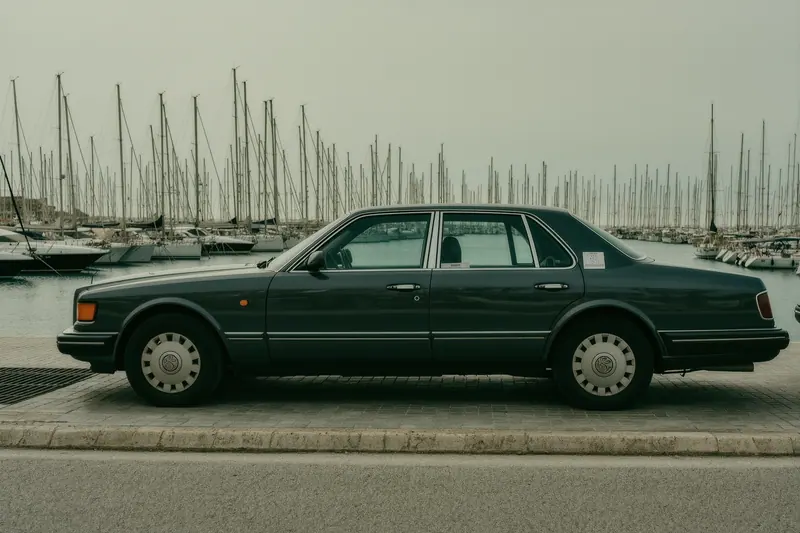
Then park the car where it cannot be kerbed. That means a bay you can see out of, approached slowly, which in practice means arriving at the marina earlier than you wanted to — the reasoning is in the valet and parking economics of Puerto Banús. The single cheapest insurance on this coast is a five-minute walk.
What to check before you book
- Find the notification window in your contract before you drive. Many require the operator to be told within twenty-four hours or the waiver falls away.
- Carry the standard accident statement form, or know that both drivers can complete one on a phone. Do not leave a scene without the other party's details.
- Photograph the vehicles in position before anything moves, then the damage close up, then the wider scene with a landmark in frame.
- Ask for the repair invoice and the photographs the operator relied on before you accept any charge.
- Ask specifically whether the contract charges for immobilisation days and, if so, at what daily rate.
- Keep the pre-hire condition report and your own handover photographs until the deposit is fully released.
- Know that businesses in Andalusia must hold official complaint forms, and ask for one if a charge cannot be explained.
Questions people actually ask
- What should I do first after damaging a hire car in Spain
Make the scene safe, then photograph the vehicles before they move. If another party is involved, complete the standard accident statement that both drivers sign, which is the normal way minor collisions are recorded here. Call the police if anyone is hurt, if there is a dispute about what happened, or if the other driver will not give details. Then notify the rental operator, the same day.
- Will the deposit be taken immediately
Usually yes. The operator charges the excess, or the full repair cost where the damaged item is excluded from the waiver, against the card they hold. You then recover it from your own insurer if you have separate cover. That gap is why standalone excess policies need cash flow behind them, and it is the single biggest practical difference between buying cover at the counter and buying it at home.
- Can they charge me for the days the car is off the road
Many premium contracts do, under a heading like immobilisation or loss of use, and it is billed as a daily figure for as long as the car cannot be hired out. On an exotic car waiting on a panel from abroad, that can exceed the repair itself. Standalone excess policies frequently exclude it. Ask about the clause before you book, because it is not always in the summary.
- How do I dispute a charge I think is wrong
Ask in writing for the repair invoice, the photographs the assessment relied on and the pre-hire condition report. Compare them against your own handover photographs. If the answer is unsatisfactory, businesses in Andalusia are required to hold official consumer complaint forms and there is a public arbitration route beyond that. Card chargebacks are a last resort and work better when you have already put the request in writing.
- What counts as damage I have to report
Anything beyond ordinary wear, including a kerbed rim, a cracked lamp lens, a stone chip in the screen and a scuff under the front bumper. Reporting it is not an admission of anything and failing to report it is far worse, because the operator finds it at return anyway and an undisclosed item invites a harsher assessment than a declared one.